In September and October 2025, Morocco witnessed the largest youth-led demonstrations since 2011. Thousands of young Moroccans, mobilized primarily through the Gen Z 212 network, filled the streets of Agadir, Rabat, Casablanca, Tangier, and Marrakesh demanding jobs, education reform, and an end to corruption.
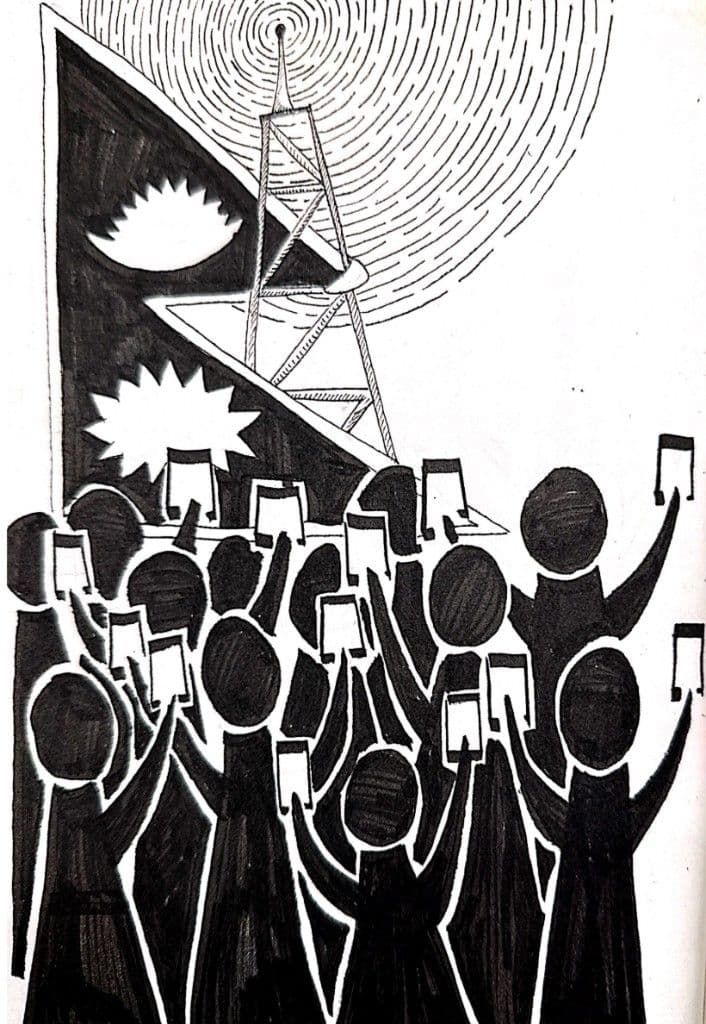
The 'Gen Z' protests mirror similar unrest sweeping countries like Nepal, Kenya and Madagascar. Demonstrators have harnessed anger about conditions in hospitals and schools to express outrage over the government's spending priorities.
The state response moved uneasily between partial concessions and violent crackdowns. Official narratives struggled to contain public anger, especially following several deaths linked to confrontations between police and protesters. Morocco’s state news agency claimed that two “troublemakers” were killed while attempting to seize police weapons, a version of events uncorroborated by eyewitnesses. Although the direct economic effects are limited, the political symbolism is unmistakable.
Morocco’s Gen Z, more digitally connected and less deferential than prior generations, is signaling that youth power is reshaping North Africa’s political landscape. Morocco’s Gen Z is not replaying the script of the Arab Spring. Their approach reflects a new mode of political engagement grounded in digital coordination, horizontal decision-making, and a moral language of dignity. Earlier movements often relied on political parties, unions, or established civil society groups.
Gen Z 212 operates without formal leaders, a structure that protects participants from repression and reflects global shifts in youth activism. Social media transformed localized frustration into a nationwide uprising. In a widely disseminated Discord statement, while urging peaceful mobilization and condemning “repressive security approaches.”
The right to health, education and a dignified life is not an empty slogan but a serious demand.
The framing is intentional. The movement anchors itself in universal rights rather than partisan agendas. Decentralization gives the protests resilience but complicates negotiation. Authorities cannot easily coopt or detain leaders, yet protesters face difficulty articulating unified demands beyond the need for socioeconomic reform. Comparative research on youth-led uprisings indicates that repression often hardens generational divides and accelerates demands for structural change.
This dynamic is apparent as Moroccan youth continue mobilizing despite arrests and intimidation. The immediate catalyst was a tragic incident: the deaths of several women in an under-resourced hospital in Agadir, a city in Southwest Morocco. The tragedy crystallized anger about failing public services and deepening inequality. What followed was the rapid expansion of a movement driven by youth unemployment, regional disparities, and frustration with the political establishment.
The slogan “We are the youth, we are not parasites” captured a generational rejection of narratives that long dismissed young Moroccans as irresponsible or apathetic. The state’s reaction revealed both its limits and its dependence on coercion. More than two thousand people were arrested nationwide, including minors. The government’s narrative that protesters attempted to seize police weapons was reported widely through Maghreb Arabe Presse— Morocco’s official news agency—and international outlets, but the absence of corroboration only deepened public skepticism.
Without transparent investigations, many young Moroccans interpreted the official statements as an attempt to delegitimize their movement. For the Moroccan monarchy and government, Gen Z’s mobilization presents a strategic dilemma. Heavy repression risks radicalizing a generation that forms the demographic core of the country. Concessions risk encouraging future protests. This tension reflects a broader regional pattern in which North African governments navigate rising youth populations whose expectations are shaped by global digital culture and awareness of political alternatives.
The movement’s resonance beyond Morocco is clear. Similar youth-centered protests in Kenya, Nepal, and Madagascar highlight a global generational convergence around demands for dignity, transparency, and economic opportunity. As The New Arab observed, Morocco’s grievances echo broader frustrations over collapsing public services and contested spending priorities. The Moroccan protests have drawn attention in Algeria and Tunisia, where young people face comparable structural pressures. While regional spillover remains uncertain, the ingredients for cross-border inspiration are strong: shared digital platforms, similar economic constraints, and a growing sense of generational identity.