The Geopolitics Behind China’s Sanctions on Hanwha In October 2025, China’s Ministry of Commerce announced sanctions on five subsidiaries of South Korea’s Hanwha Ocean, citing their alleged participation in a U.S. investigation into China’s shipbuilding sector. The blacklisted companies include Hanwha Shipping LLC, Hanwha Philly Shipyard Inc., and Hanwha Ocean USA International LLC.
Given the current geopolitical climate, such deep involvement could easily turn into a political risk.
According to a statement from the ministry, “Hanwha’s subsidiaries in the U.S. have assisted and supported the U.S. government’s probes and measures against Chinese maritime, logistics and shipbuilding sectors. China is strongly dissatisfied and resolutely opposes it”. The sanctions prohibit Chinese companies from doing business with these entities, a move Beijing claims is “necessary to safeguard China’s sovereignty, security, and development interests”.
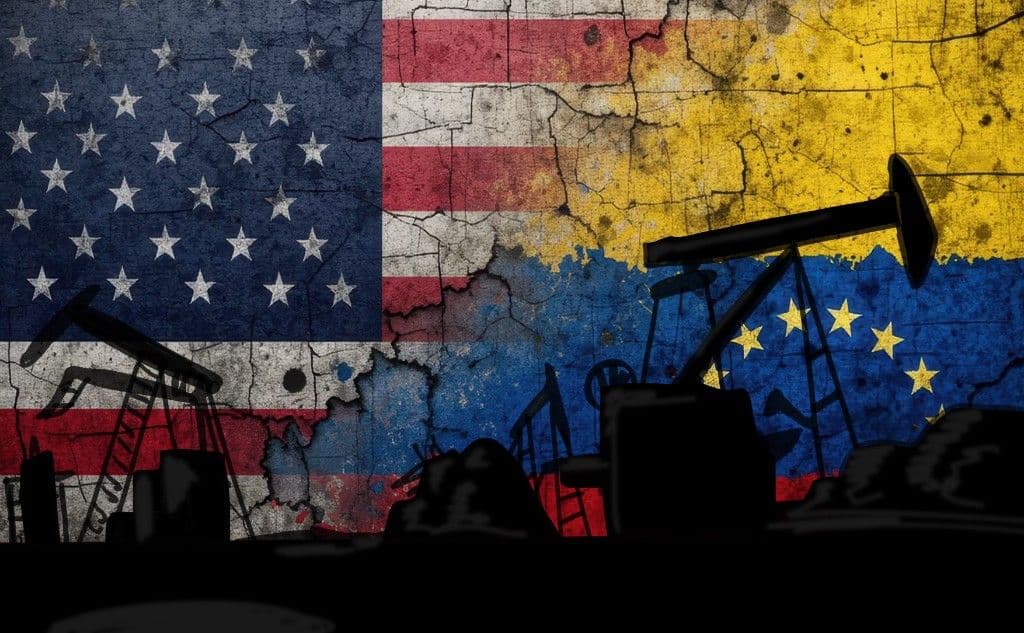
While limited in direct economic effect, the action’s symbolism is unmistakable. It arrives amid escalating maritime and trade tensions between Washington and Beijing, including reciprocal port fees on each other’s vessels (AP News). For Seoul, the challenge is acute: maintaining alliance commitments to the United States while managing deep commercial dependence on China. Beijing’s latest move fits a broader pattern of economic coercion that scholars and policymakers have termed “weaponized interdependence.”
China just weaponized shipbuilding. Beijing is signaling it will hit third-country firms that help Washington counter China's maritime dominance.
China has repeatedly used trade and tourism restrictions to punish states it perceives as undermining its interests. Earlier cases include the 2010 rare earth embargo on Japan, the ban on Norwegian salmon after the Nobel Peace Prize for Liu Xiaobo, and the 2017 backlash against South Korea over the deployment of the U.S. THAAD missile defense system. The logic behind these actions is consistent: to impose costs on third parties while signaling Beijing’s resolve. .
Cao explains the essence of the strategy—linking industry leverage to geopolitical deterrence. However, the history of China’s coercive campaigns shows mixed results. Following the THAAD episode, South Korea diversified export markets and strengthened defense ties with the United States, while Chinese public opinion hardened but failed to reverse Seoul’s decision. As analysts at the Center for Strategic and International Studies have argued, coercion often “backfires by accelerating economic decoupling and alliance coordination.”
Hanwha’s case appears to follow this trajectory. Hanwha Ocean, one of the world’s largest shipbuilders, has invested heavily in the U.S. market. Its Philadelphia shipyard holds a $3 billion order backlog and aims to achieve a financial turnaround by 2026. The company has pledged more than $5 billion in U.S. shipyard investments, aligning itself with South Korea’s “Make American Shipbuilding Great Again” initiative. This alignment made Hanwha a visible participant in Washington’s Section 301 investigation launched in April 2024, which probed China’s dominance in global shipbuilding.
The U.S. Trade Representative concluded that “China’s strength in the industry was a burden to U.S. businesses”. In Beijing’s eyes, Hanwha’s cooperation in that investigation crossed a political line. A Ministry of Transport statement declared that its inquiry would target “companies, organizations, or individuals that carry out, assist, or support discriminatory measures imposed by the U.S. against China”. Hanwha Ocean’s shares fell more than 8 percent on the day of the announcement.
Hanwha USA spokesperson Linda Johnson said, “Hanwha will continue to provide world-class maritime services to our customers, including through our investments in the U.S. maritime industry and via Hanwha Philly Shipyard”. Although the company downplayed the practical effects, analysts noted the political risks. “Given the current geopolitical climate, such deep involvement could easily turn into a political risk,” warned an Asia-based shipbuilding analyst. “Even without sanctions, manufacturing in the U.S. remains extremely expensive”.