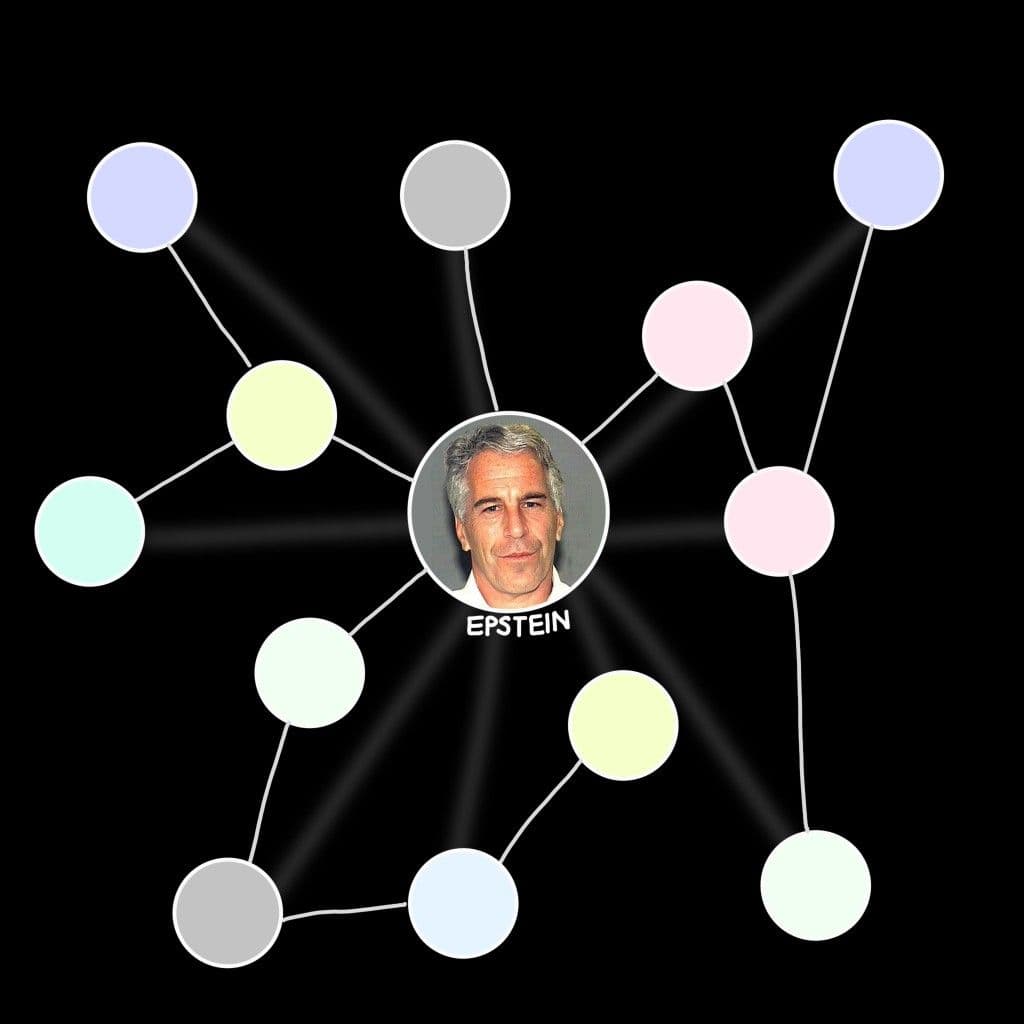
In 2021, Ghislaine Maxwell was sentenced for her role in Jeffrey Epstein’s sex trafficking operation to 20 years in prison.Her case exposed how wealth and influence can hide decade-long abuse. Maxwell appeared before the United States House Oversight Committee after her conviction, but she invoked her Fifth Amendment rights against self-incrimination and declined to answer lawmakers’ questions. Her attorney later suggested that she would be willing to testify about Epstein’s activities in full, which could expose the involvement of other influential figures, if granted clemency by President Donald Trump.
Between 1994 and 2004, Ghislaine Maxwell played an active role in assisting and enabling Epstein’s sexual abuse of underage girls. Prosecutors claimed that she had knowingly helped recruit and groom victims, some of whom were as young as 14 years old. As part of their scheme, Maxwell and Epstein allegedly persuaded victims to travel to Epstein’s residences in different states, where they were subjected to abuse. Maxwell used a variety of tactics to gain the victims’ trust.
She attempted to build friendly relationships with them by asking about their daily lives, and often took them on shopping trips or to the movies. Her presence during initial meetings and subsequent sexual encounters between Epstein and the girls often made the situation appear normal and safe, which, in turn, lowered the victims’ suspicions. Epstein also offered financial support to his victims, including travel or educational expenses, and Maxwell encouraged victims to accept this assistance, creating a cycle of obligation and dependency.
One of the most outspoken victims of Epstein and Maxwell has been Virginia Giuffre. As a teenager, Giuffre worked at the Mar-a-Lago Club where she first encountered Maxwell some time around 2000. According to Giuffre, Maxwell approached her and asked if she would be interested in learning massage therapy, eventually introducing her to Epstein at his Palm Beach home. There, Maxwell began instructing Giuffre in ways that quickly became inappropriate and dismissed her discomfort when Giuffre expressed concern.
Giuffre later described being drawn deeper into Epstein’s network of control, eventually, being asked to work for him full time. In her accounts, Giuffre described Epstein and Maxwell as living in a kind of “symbiosis:” Maxwell’s presence as a woman helps attract young girls and makes them feel safe in situations that were in fact exploitative. On February 9, 2026, Maxwell appeared virtually before the U.S. House Oversight Committee but refused to answer questions, once again invoking her Fifth Amendment rights. Her attorney, David Oscar Markus, explained that Maxwell would be willing to provide a complete account of Epstein’s network if granted clemency.
If this committee and the American public truly want to hear the unfiltered truth about what happened, there is a straightforward path.
“If this committee and the American public truly want to hear the unfiltered truth about what happened, there is a straightforward path,” Marcus stated. “Ms. Maxwell is prepared to speak fully and honestly if granted clemency by President Trump. Only she can provide the complete account. Some may not like what they hear, but the truth matters.” Representative James R. Comer of Kentucky, the Committee’s chairman, stated that her lack of response was “very disappointing”, and other representatives have similarly condemned Maxwell’s repeated campaigns to obtain the pardon.
Under Article II of the U.S. Constitution, the President has the authority to grant reprieves and pardons for federal offenses. This clemency power is broad and allows the president to reduce or eliminate criminal punishment through pardons or commutations. Throughout American history, presidents have used this authority in a wide range of cases, sometimes to correct perceived injustices and other times in controversial circumstances.
Former US President Joe Biden granted clemency more times than any other US president. In December 2024, he granted clemency by commuting the sentences of over 1,500 individuals, many of whom were nonviolent offenders placed on home confinement during the COVID-19 pandemic. This constitutional power is particularly significant in Maxwell’s case, where the prospect of clemency has become entangled with attempts to expose the full scope of Epstein’s network.While some believe that granting clemency could encourage Maxwell to reveal new information about Epstein’s network and other potential co-conspirators, others believe that pardoning Maxwell would undermine justice for victims and reward someone who played a central role in facilitating Epstein’s abuse.
Senator Jacky Rosen (D-NV) stated that Ghislaine Maxwell is “the last person on Earth who should ever be granted clemency,” citing her role in enabling Epstein’s exploitation of underage girls and the lasting harm inflicted on survivors.
Ghislaine Maxwell is the last person on Earth who should ever be granted clemency.
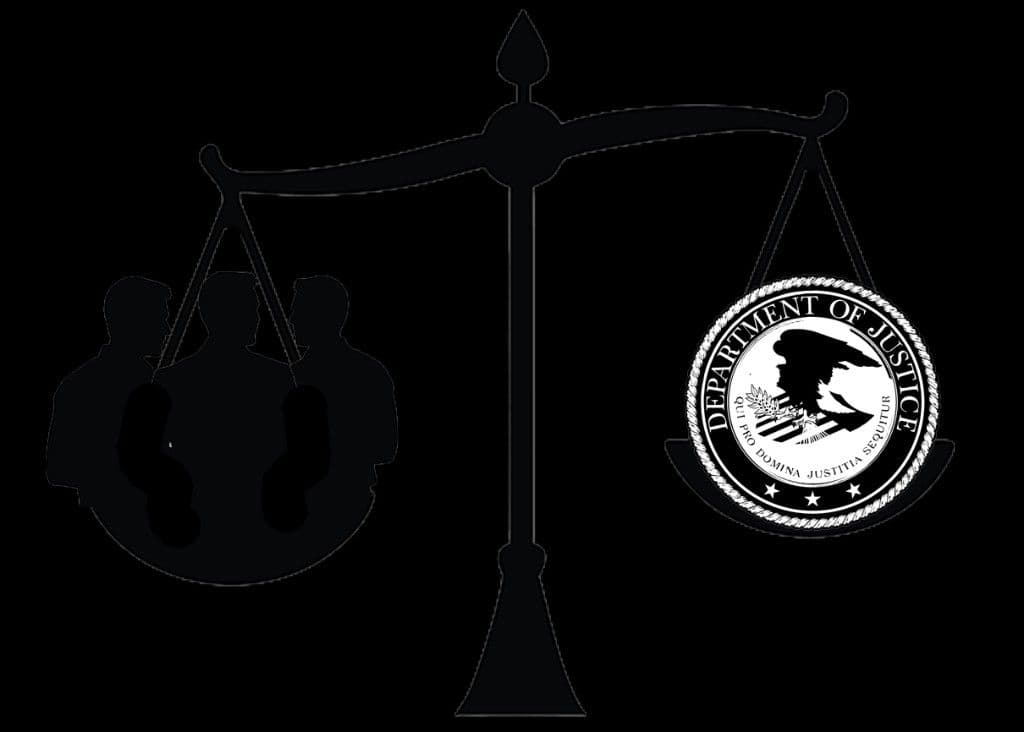
Furthermore, the Epstein files were released on January 30, 2025, containing more than three million pages of documents, 2,000 videos, and 180,000 images. This was the largest amount of documents regarding the case released, with many records still remaining withheld. Documents regarding the case had been released gradually throughout the years in civil lawsuits, such as Giuffre's, and court orders Under the Epstein Files transparency act, which was signed into law by Donald Trump in November 2025, the Department of Justice did not release documents that would harm victims’ privacy.
Some lawmakers have criticized these redactions and called for greater transparency, believing that the DOJ is using this power to shield perpetrators rather than fulfilling its intended purpose. “There is no reason in our legislation that allows them to redact the names of those men,” Representative Thomas Massie (R-KY) told reporters. In a rare display of bipartisan cooperation, lawmakers from both parties have called for greater transparency in the release of Epstein-related records.
Representative Massie and Representative Ro Khanna (D-CA) have both pushed for the full release of the records, arguing that the public deserves to know the identities of everyone involved. Because Ghislaine Maxwell was Epstein’s closest associate and played a central role in recruiting and grooming victims, her testimony could prove especially important, as it has the potential to reveal details that remain hidden in the redacted documents.
While the Fifth Amendment protects individuals from self-incrimination, Maxwell’s refusal to answer questions has left many lawmakers and members of the public frustrated, particularly given the scale of Epstein’s trafficking operation, and the possibility that other powerful individuals were involved. Her attorney’s indication that she would testify in exchange for presidential clemency further complicates the situation, placing the President’s constitutional pardon power at the center of a highly controversial case.
For many victims, this silence and the prospect of clemency represent a profound injustice, as they delay or deny full accountability for the immense harm endured. Whether the critical information Maxwell possesses is ever fully revealed depends not only on legal proceedings, but also on the willingness of political and legal actors to pursue accountability even when powerful figures may be implicated.