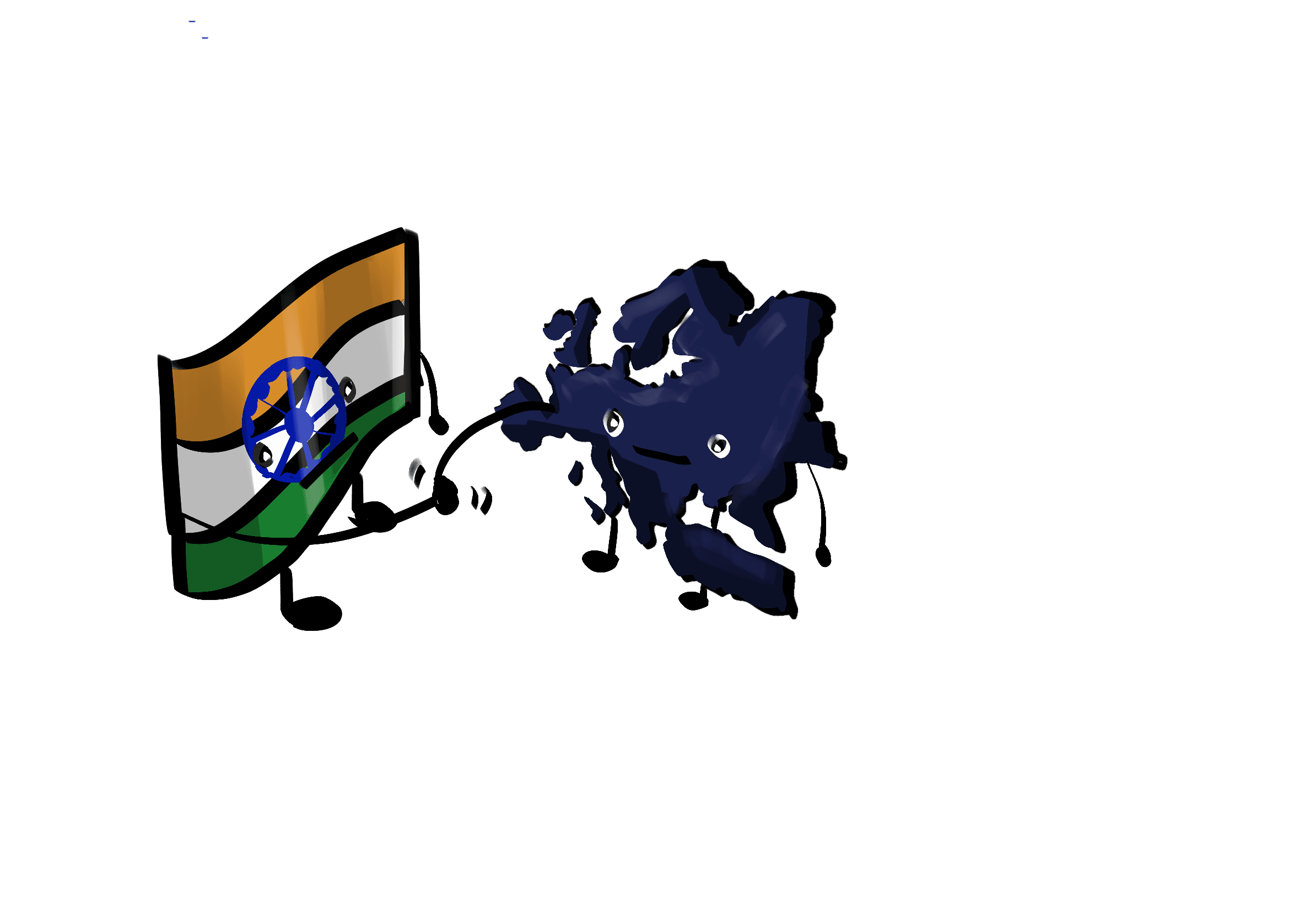
Inside the India-EU Pact In January 2026, India and the EU finalized a Free Trade Agreement, referred to as “the mother of all deals” by the President of the European Commission, Ursula von der Leyen. Negotiations first launched in 2007, stalled for nine years, and were relaunched in 2022, suddenly crossing the finish line (CNN). On paper, this deal acted as a tariff-cutting exercise: India will eliminate or reduce tariffs on 96.6% of EU exports; in return, the EU will do the same for 99.5% of Indian goods by trade value (The Interpreter).
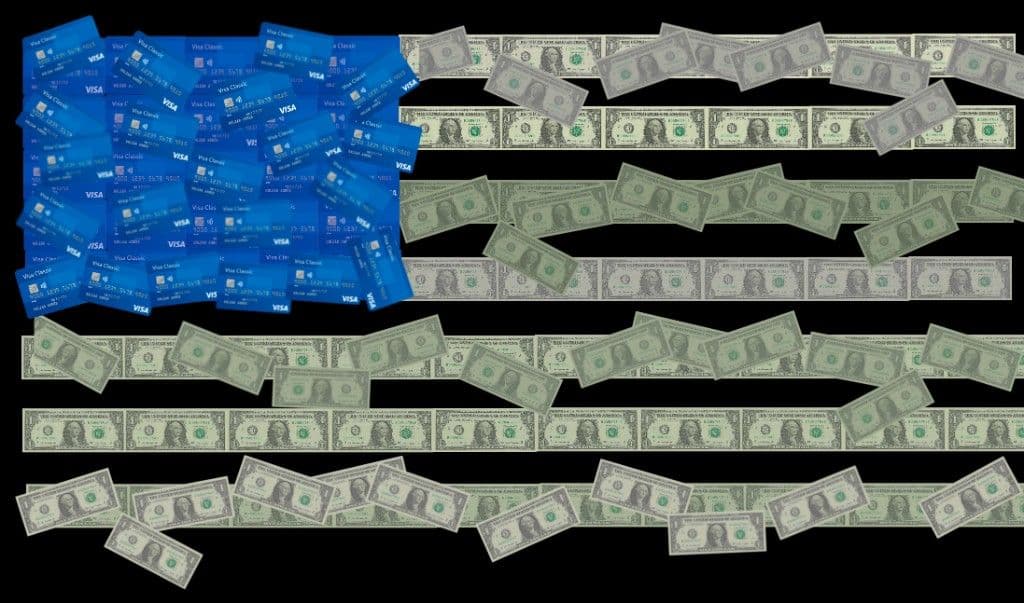
However, the agreement was not simply the product of mutual economic attraction; for nearly two decades, that attraction existed and went nowhere. Rather, the impetus is a shared threat: the unpredictability of American trade under Trump.
The alliance might even scale bigger than a hedge, creating a third economic bloc that can set rules without Washington or Beijing.
The deal lay dormant for nine years until shifting geopolitical pressures from Washington forced both Brussels and New Delhi to reassess their strategic positioning, as the European Policy Center argues (EPC). Trump’s tariff escalation hit India with a combined 50% duty (25% reciprocal + 25% penalty for Russian oil purchases). Meanwhile, the EU faced its own concerns: Trump threatened tariffs over Europe’s refusal to hand over Greenland (CNBC). Then, the India-US trade deal collapsed in mid-2025.
A 50% duty can be planned around, yet a trading partner who might slap a new tax on tomorrow, roll it back next week, or tie it to an unrelated demand about Greenland cannot be.
After five rounds of negotiations, Indian officials were confident of a favorable outcome, but the announcement never came, leaving India with a surprise 25% tariff (Yahoo!). That collapse became the accelerant—EU diplomats have said openly that Trump’s tariffs gave them useful momentum in the final stretch of negotiations with India (Newsweek). The European Policy Center notes that the warm personal relationship between Modi and Trump proved an inadequate shield against deteriorating ties, and may have made things worse, since it masked just how erratic the underlying policy had become (EPC).
The Diplomat describes the FTA as distinct because it emphasizes regulatory interoperability over unilateral liberalization; in other words, it aligns standards rather than forcing one side to adopt the other’s regime (The Diplomat). The deal includes chapters on technical barriers to trade, conformity assessment, sustainability provisions, and digital trade frameworks (European Commission). Thus, the two economies are agreeing on how to function if combined—how products get certified, how data moves across borders, how environmental standards get enforced—not only making imports cheaper for short-term gain.
Together, India and the EU represent roughly 25% of global GDP and a third of global trade (Drishti IAS). That’s enough gravitational pull to become a standards-setting force. The Lowy Institute frames it as part of a broader shift: major actors are constructing a more multipolar economic order, defined less by rigid blocs and more by flexible partnerships, and the FTA is being contextualized as a roadmap for navigating an era of strategic competition (The Interpreter).
To illustrate: if companies want to sell to a combined market of 1.8 billion consumers, they’ll have to comply with whatever standards India and the EU agree on. Those standards become Bella Wu ‘28 /TFA MAY 2022 ISSUE N. V am global norms by default, the same way the EU’s privacy law, GDPR, effectively became the world’s standard because no company could afford to ignore the European market. Now that dynamic is reapplied, but with India’s scale added on top.
Both India and the EU are also wary of Chinese dominance in supply chains, and this deal addresses that too. The EPC argues that deeper EU-India economic integration could help mitigate vulnerabilities linked to trade imbalances, technological dependence, and critical digital infrastructure vis-à-vis Beijing (EPC). India has its own reasons to worry: the unresolved border dispute and China’s defense ties with Pakistan. Europe has its own: years of overreliance on Chinese manufacturing that the pandemic painfully exposed.
The FTA advances what trade analysts call the “China-plusone” strategy, positioning India as a trusted manufacturing and services alternative for the EU, describing it as a rules-based “zone of trust” between two democratic blocs for sensitive sectors like semiconductors, AI, and green technology (Drishti IAS). The anti-China dimension reinforces the anti-unpredictability dimension, both ultimately pushing in the same direction.
Still, nothing is guaranteed, as there remain tensions buried inside the deal. The EU’s Carbon Border Adjustment Mechanism—which essentially taxes imports based on their carbon footprint—could function as a trade barrier for Indian exporters in steel, aluminum, and chemicals. As Asia Times puts it, the core tension is whether a rules-based, sustainability-driven EU can align with a rapidly industrializing India that prioritizes growth (Asia Times).
With the agricultural sensitivities in mind, it is unclear what the signed deal will look like if it is signed at all. Legal vetting is expected to take five to six months, with full implementation potentially a year out (CNN). Imperfections do not contradict the underlying motive and the deal’s potential. The fact that both sides pushed past disagreements that killed this deal for nine years—on agriculture, on labor standards, on data rules—is itself evidence that the geopolitical pressure was the decisive variable.
EU and India decided that the cost of not agreeing, in a world where Trump could upend trade policy on a Monday morning Truth Social post, was higher than the cost of compromise. The EPC suggests this FTA could serve as a template for future deals with countries seeking to hedge against overdependence on the US and China (EPC). If that’s right, then the India-EU axis isn’t just a one-off reaction to Trump, but the first node of a new network where the most valuable currency isn’t the dollar or the yuan, but strategy and flexibility.